1. Walk the grounds
For outdoor spaces, the crew walks fence lines, planters, corners and bushes where needles collect.
Bayonne, NJ · Hudson County
Worried about what is hiding in drawers, bags or a vacant building in Bayonne? Call (877) 812-4220. Crews check the whole space, collect sharps with tools and clean up afterward.
If anyone is in danger, call 911 first. For a suicide crisis, call or text 988.
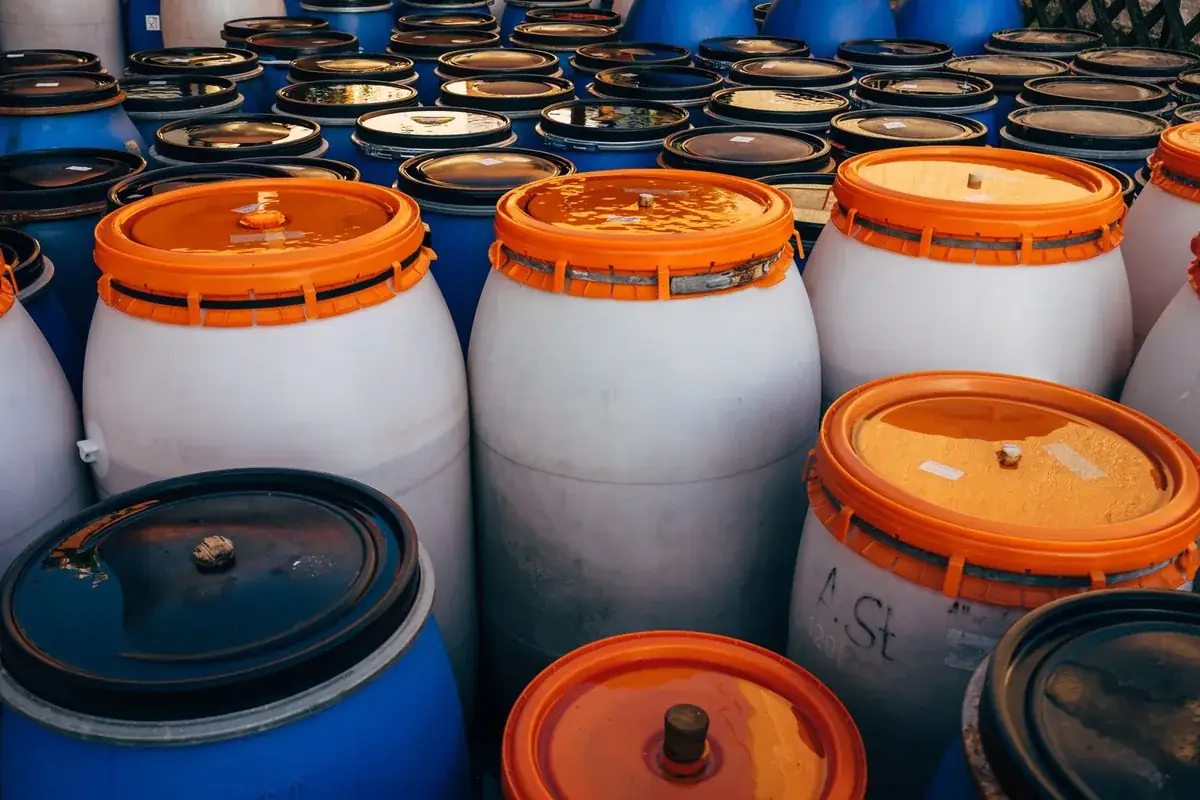
Used needle disposal means placing needles and syringes into rigid containers made to resist punctures, then sending them to a facility that treats medical waste. It keeps workers, children and pets safe.
If your Bayonne property has needles, syringes or other sharps, you can call Bayonne Biohazard Cleanup Help and get them searched for, collected and disposed of anywhere in Hudson County. Crews wear protective gear and use tools designed to keep hands away from points.
The vacancy rate in Bayonne is only about 6%, so most needle calls come from occupied homes, rentals, yards and businesses. A stick, cut or splash should be checked by a doctor without delay. Jersey City Medical Center in Jersey City serves people in and around Bayonne.
The work often covers:
For outdoor spaces, the crew walks fence lines, planters, corners and bushes where needles collect.
The whole property is searched, section by section, until the crew is confident every sharp is found.
Sharps are locked in secure containers marked for medical waste.
The area is cleaned, searched a second time and handed back to the owner.
The cost of needle & sharps cleanup in Bayonne, NJ depends on the amount of material, how it is packed and how it is hauled.
Repeat sweeps cost differently from one-time jobs. A property where needles keep appearing may do better with a schedule.
| Type of job | Typical range |
|---|
These ranges come from published cost guides () and are not a quote for Bayonne. Price drivers include number of items, where they are found, whether a sweep of a large area is needed, waste disposal. For a real number, call (877) 812-4220.
The crew searches the whole area with protective gear and tools. It collects each sharp into a puncture-resistant container, cleans surfaces where sharps lay, and hauls the sealed containers away. A final walk checks that nothing was missed, and the team can provide a record.
A local biohazard cleanup team can search the area and remove needles and other sharps. Some cities and health departments also help with found needles on public land. For a single needle outdoors, the health department is a good first call, and for anything bigger, a cleanup team.
Safer options exist. Many cities and health departments have programs for found needles and may give instructions or send someone. If you are unsure, do not touch it. Leaving a needle in place and keeping others away is safer than risking a stick.
No. Recapping or bending a used needle is one of the most common ways people get stuck. Leave it where it is and let a cleanup team lift it with a tool and place it in a container.
They can be tucked into couch cushions, mattress seams, drawers, vents and ceiling tiles. That is why a sharps sweep covers more than the floor. Crews check hidden spots with tools and light before declaring a room clear.
Yes. Dogs and cats may sniff, chew or step on sharps. Keep pets away from the area until a cleanup team has searched it. If a pet is stuck or swallowed something, call a veterinarian right away.
Stay back, keep others away and let a cleanup team handle the sharps.
Call (877) 812-4220